Bookinger

You are in the Aiguamolls de l’Emporda natural park

A protected natural area of great value Aiguamolls

Surrounded by Nature

The Aiguamolls de l’Empordà are one of the main wetland areas in Catalonia. They comprise a mosaic of ponds, marshes, lagoons, wetlands, rivers, canals, forests, enclosed meadows, agricultural fields, and beaches, along with their dune system that protects the coastline from storms.

This protected natural area serves as a breeding ground and migratory refuge for numerous endangered species. At the same time, it improves water quality, recharges aquifers, and curbs the saltwater intrusion. Its good condition is key to reducing the effects of climate change in the region.

Its natural characteristics support prosperous agriculture and enhance fishing in the bay. Historically, this territory has generated a rich cultural heritage and is now a valuable resource for environmental education and scientific research, while also being a popular destination for visitors.

More information: Official website of the Natural Park (Catalan and Spanish only)

Image: Flamencos, 329 species of birds have been observed in the Natural Park and 863 types of plants live in the Park.
Discover a changing natural park

The Natural Park features various trails equipped with birdwatching observatories to bring you closer to nature on foot or by bicycle. However, please note: cycling is only permitted on officially designated routes.

Throughout the year, the park evolves with the seasonal changes typical of the Mediterranean climate. Keep this in mind and adjust your expectations accordingly. To better plan your visit, you can contact the El Cortalet visitor’s centre: +34 972 45 42 22 | pnaiguamolls@gencat.cat. More information: Park guide and map

Slideshow:
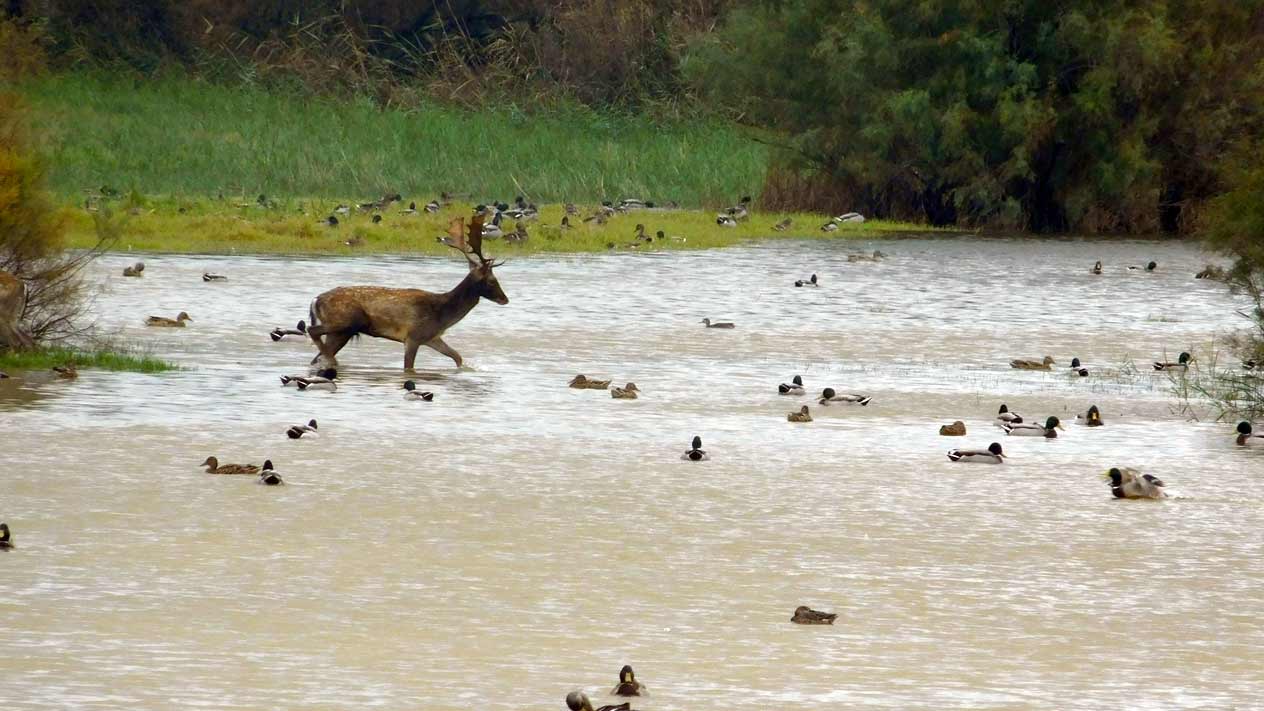
  1. Autumn: At the end of October, the fallow deer go into rut. When the rains flood the area, they clear the way for the fish and provide shelter and food for migratory animals—both those that will remain here throughout the winter and those that will continue their journey further into Africa.
  2. Winter: During the cold months, thousands of waterbirds arriving from the north stop over here. Between February and March, they coincide with birds returning from the south to breed; some, like the white storks, settle in quite early.
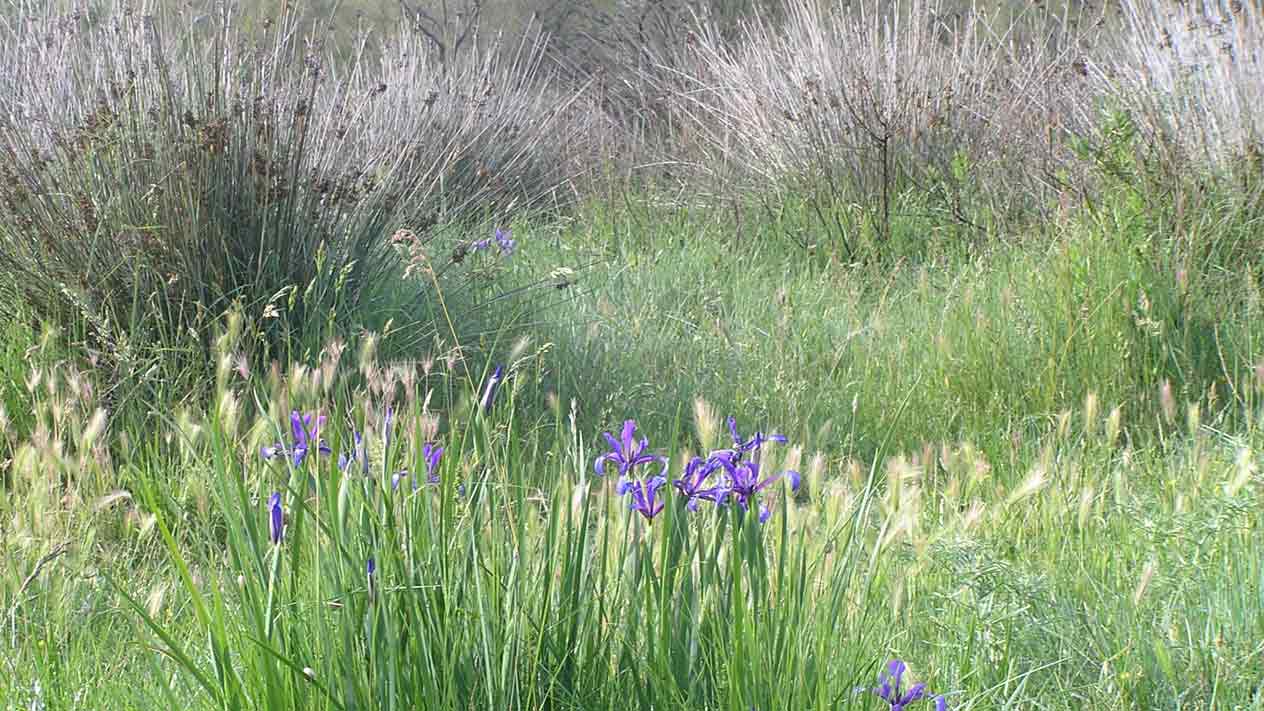
  3. Spring: Spring bursts with the blooming of the water crowfoot and the yellow iris, amidst the songs of frogs and birds. 82 species of birds regularly nest in the area, and regulations become stricter. They must hurry, for by June the water level already begins to drop.
  4. Summer: By mid-July, the marshes and ponds dry out; only the brackish lagoons below sea level remain flooded. Aquatic animals and plants have strategies to survive or leave behind eggs and seeds for the following season.
  5. Bird watch observatory

Tips and rules for visitors

When we visit natural areas, all our actions have an environmental impact. Therefore, we must strive to keep that impact to a minimum—as if we had never been there. By following a few simple recommendations, we can help maintain ecological balance and the area’s good condition, while fully enjoying our stay.

  • Your visit begins at home: plan your activities, check the available services, make reservations if needed, and discover the natural and cultural heritage you can experience.
  • To observe wildlife more effectively, bring binoculars. You can rent them at the El Cortalet visitor’s centre.
  • Consider visiting the Natural Park with a local guide—the experience will be far more enriching. The Park does not offer its own guides, but there are companies that provide this service.
  • Wear sunscreen and carry water. Be aware that there is little to no shade in salty environments.
  • Bring mosquito repellent—they are present all year round. Choose a product that does not contain picaridin, which is highly toxic to amphibians.
  • Avoid bringing dogs and other pets. If you do, they must be kept on a leash and are not allowed on beaches or certain trails. Remember that collecting pet waste is mandatory, as it severely affects invertebrate fauna.
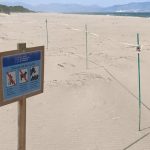
  • Respect the Park’s regulations. These rules are in place to preserve the park’s values and allow for safe recreational use. Regulations also apply to trails and beaches and may change throughout the year.

Pay attention to signage and ask at the information center if in doubt. Check this map to get oriented.

More information: Equilibri Natural, an inspiring website for discovering Catalonia’s natural areas